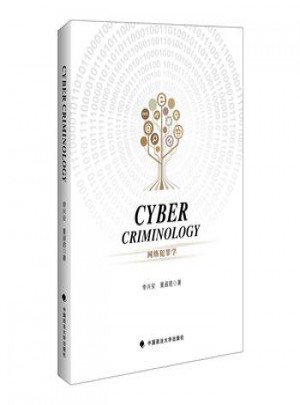
本书探讨了信息技术发展对于传统社会控制机制树立的挑战,提出一个广义的定义方法,认定了网络犯罪的特点及其对于侦查概率和威慑效果的负面影响。鉴于现行有关网络犯罪的法律框架在打击网络犯罪中其效甚微,本书主张,为使信息社会得到保护,法律威慑取得实效,国家之间、传统空间与网络空间之间的法律与管辖的鸿沟必须去除,才能追究犯罪主体的刑事责任。
本店所有图书均为正版 请放心购买,有任何问题请联系在线客户或致电,谢谢
李兴安,旅欧华人学者。芬兰图尔库大学法学博士,坦佩雷大学计算机科学博士。现任芬兰国际信息社会研究所(三樱智库)首席科学家,爱沙尼亚塔林大学副教授,北京航空航天大学工业与信息化法治研究院特邀高级研究员,重点实验室学术委员会委员。著有《网络犯罪导论》、《网络犯罪与威慑:构建网络化信息社会的法律网络》、《数据挖掘方法在犯罪研究中的应用》、《二十一世纪的网络犯罪与网络安全》、《网络安全词典》等。在国际学术刊物四十余篇。
董淑君,刑法学博士,中国政法大学副教授,硕士研究生导师,曾兼任北京市密云区人民检察院副检察长,曾任北京市华联律师事务所执业律师。主要代表论著有:《刑法的要义》、《刑法概论》、《刑事错判研究》等。
前
PREFACE
LIST OF FIGURES
LIST OF TABLES
TABLE OF CASES
ABBREVIATIONS
CHAPTER 1INTRODUCTION
11Social context of cybersecurity and cybercrime
12Structure of this book
CHAPTER 2DECIPHERING THE PHENOMENONOF CYBERCRIME
21Introduction
22Development of definition of computer crime
23Analysis of the previous shortcomings in defining
cybercrime
24How to define cybercrime?
25Reading of the "cyber" label of criminal phenomenon
26The necessity of a broad definition of cybercrime
27A definition based on roles of information systems
CHAPTER 3CLASSIFICATION OF CYBERCRIME
31What roles can information systems play in cybercrime?
32Comparison with other conceptions
33Conclusion
CHAPTER 4SUBJECTS AND SUBJECTIVEASPECTS OF CYBERCRIME
41Introduction
42Whats special with cybercriminals?
43The perceived context of the perpetrators
44Forms of organization
45Age and cybercrime
46Psychological features of cybercrime
47What motivates a cybercrime?
48Conclusion
CHAPTER 5RECOGNIZING CRITICAL FACTORSIN COMBATING CYBERCRIME
51Introduction
52Victimization in cybercrime
53Time in cybercrime
54Space in cybercrime
55The technological nature
56The complexity of cybercrime
57The costs of cybercrime
58The anonymity of the perpetrators
59Hidden victims
510The concealment of cybercrime traces
511The transterritoriality of cybercrime coverage
512The rampancy of cybercriminal phenomena
513Rentseeking from the exaggeration of insecurity
514Conclusions
CHAPTER 6THE HISTORICAL DEVELOPMENT OFCYBERCRIME AND DETERRENCE
61Basic observations on the development of criminalphenomena
62Computer hackers discovery of a lawless new frontier
63The rise of the law against the increasing number ofcybercrimes
64A legal system wrestling with networked adversaries
65The equilibrium between cybercrime and deterrence
66Conclusion
CHAPTER 7LIABILITY FOR CYBERCRIME
71Introduction
72Criminal liability, civil liability and administrative liability
73Individual liability and corporate liability
74Liability based on law and liability based on contract
75Intentional liability, negligent liability and reckless liability
76Direct liability and indirect liability
77Trespassers liability, third parties liability, and victimsliability
78Domestic liability, transnational liability, and internationalliability
79Offensive liability and defensive liability
710Punitive liability, exemplary liability and compensatoryliability
711Conclusion
CHAPTER 8CYBERJURISDICTION
81Introduction
82The legal basis for cybercriminal jurisdiction
83"Separate" or "international" jurisdiction?
84The specific space — the determination of the location ofconduct
85The specific player — the determination of the location of theperson
86Liabilitybased cybercriminal jurisdiction
87Critical factors in cybercriminal jurisdiction
88Conclusion
CHAPTER 9INTERNATIONAL ACTIONSAGAINST CRIMINALITY
91Introduction
92From domestic legislation to international harmonization
93Professional efforts of the International Criminal PoliceOrganization (Interpol
94Regional efforts
95Multinational efforts
96Global efforts by the United Nations (UN
97The focuses of international harmonization
98From conversation to the European Convention
99Limited progress in international harmonization
910Conclusion
CHAPTER 10CONCLUSIONS
101Dilemmas of cybercrime control
102The primary factors benefiting cybercrime
103The primary factors preventing cybercrime
REFERENCES